
Pentagon says military missions could be threatened by AI contract restrictions
Published on March 3, 2026
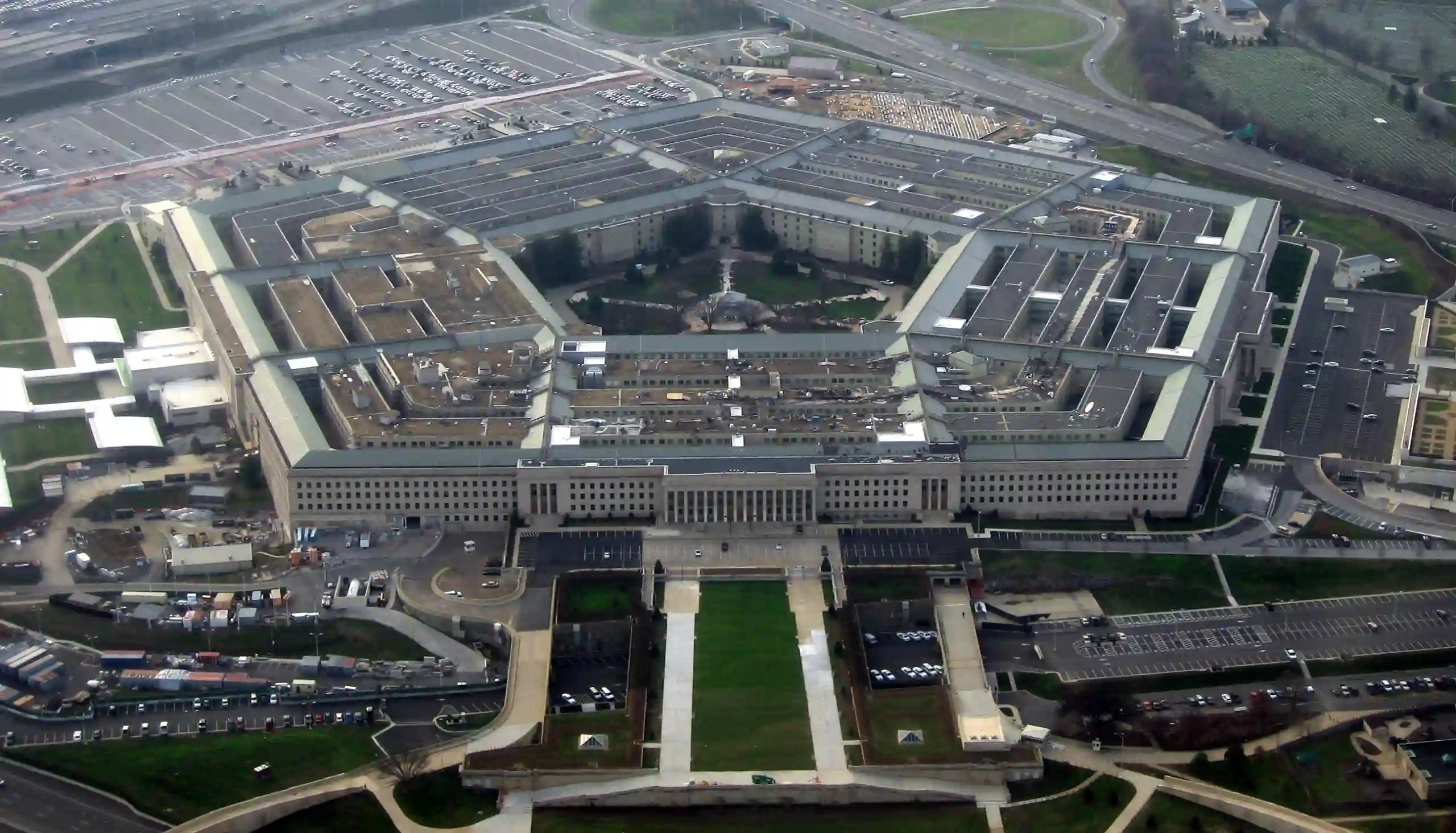
(Image Credit:David B. Gleason from Chicago, IL, CC BY-SA 2.0
Source:
Reuters
On Tuesday, a senior Pentagon official stated that commercial artificial intelligence contracts signed under the Biden administration contain broad operational restrictions, Reuters has reported. These restrictions threaten to paralyze U.S. military missions in real time, including the ability to plan and execute combat operations.
Emil Michael, the Under Secretary of Defense for Research and Engineering, described a moment of alarm upon reviewing the terms governing AI models already embedded in some of the military’s most sensitive commands. He did not name the AI provider whose contracts he was reviewing.
His comments were made at the American Dynamism Summit in Washington, a gathering of technology companies focused on space and national security work. The summit occurred days after a disagreement over how the Pentagon could use Anthropic’s powerful and widely used AI tools. This led President Donald Trump to ban the startup from government business and label it a national security risk.
Michael stated, “I had a ‘holy, holy cow’ moment.” He explained, “There were things … you couldn’t plan an operation … if it would potentially lead to kinetics” or explosions. He described dozens of restrictions built into agreements covering commands responsible for air operations over Iran, China, and South America.
Michael said the contracts were structured so that if an operator violated the terms of service, the model could theoretically “just stop in the middle of an operation.” Anthropic’s Claude had been the only AI model available to the Defense Department on its classified systems at the time of Michael’s review.
His concerns intensified after a senior executive at an unnamed AI company questioned whether its software had been used in what Michael called one of the most successful military operations in recent memory. Anthropic’s Claude was reported to have been used to help plan the U.S. government raid that captured former Venezuelan President Nicolas Maduro in January.
“What we’re not going to do is let any one company dictate a new set of policies above and beyond what Congress has passed,” Michael said.
These disclosures may help explain the dispute between Anthropic and the Department of Defense. Defense Secretary Pete Hegseth declared the company a “supply-chain risk” for its refusal to back down in negotiations over restrictions on autonomous weapons and mass surveillance.
Hours later, rival OpenAI struck its own deal with the Pentagon. A statement by OpenAI CEO Sam Altman suggested that the Department had agreed to similar restrictions with OpenAI’s models.