Elon Musk seeking “wrongful gains” worth $134 billion
Published on January 18, 2026
Source:
Reuters
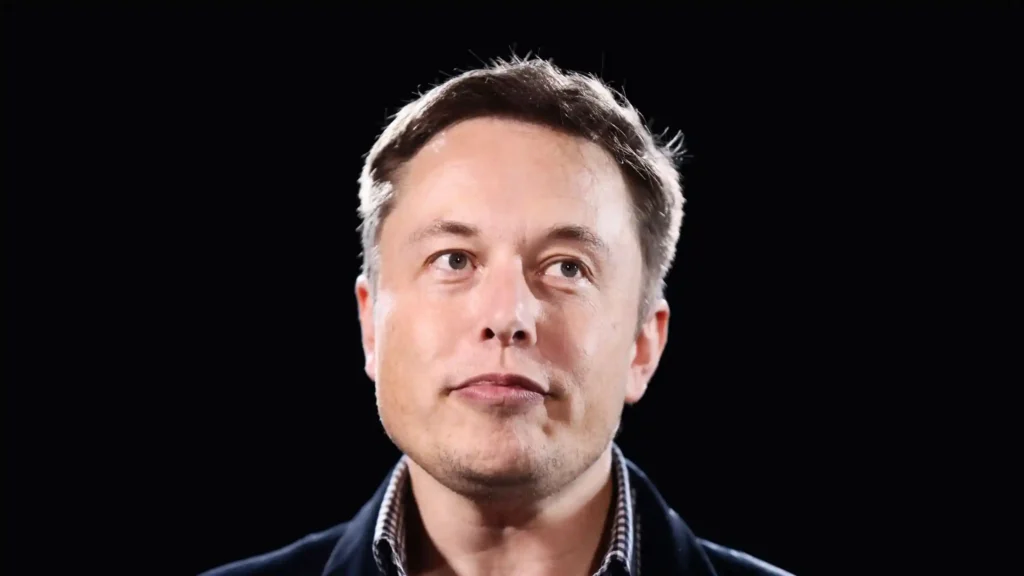
Elon Musk is seeking up to $134 billion from OpenAI and Microsoft, stating he is entitled to the “wrongful gains” they received from his early support, according to Reuters, citing a court filing on Friday.
Musk said in the federal court filing that OpenAI gained between $65.5 billion and $109.4 billion from his contributions when he was co-founding what was then a startup from 2015, while Microsoft gained between $13.3 billion and $25.1 billion. The filing was made ahead of his trial against the two companies.
“Without Elon Musk, there’d be no OpenAI. He provided the bulk of the seed funding, lent his reputation, and taught them all he knows about scaling a business. A pre-eminent expert quantified the value of that,” Musk’s lead trial lawyer Steven Molo said in a statement to Reuters.
OpenAI, in a statement, characterized the demand as an “unserious demand” by Musk and part of what it described as his “harassment campaign” against the company. Microsoft did not respond to a request for comment outside business hours regarding the compensation amount.
During the week, OpenAI called the lawsuit “baseless” and part of a “harassment” campaign by Musk. A Microsoft lawyer stated there is no evidence the company “aided and abetted” OpenAI. The two companies challenged Musk’s damages claims in a separate filing on Friday.
Musk, who left OpenAI in 2018 and now runs xAI with its competitor chatbot Grok, alleges that ChatGPT operator OpenAI violated its founding mission through a high-profile restructuring into a for-profit entity. A judge in Oakland, California, ruled this month that a jury will hear the trial, which is expected to start in April.
According to Musk’s filing, he contributed approximately $38 million, representing 60% of OpenAI’s early seed funding. He also assisted in recruiting staff, connecting the founders with contacts, and lending credibility to the project at its inception.
“Just as an early investor in a startup company may realize gains many orders of magnitude greater than the investor’s initial investment, the wrongful gains that OpenAI and Microsoft have earned – and which Mr. Musk is now entitled to disgorge – are much larger than Mr. Musk’s initial contributions,” Musk argues.
The filing states that the value of Musk’s contributions to OpenAI and Microsoft was calculated by his expert witness, financial economist C. Paul Wazzan. It further notes that Musk may seek punitive damages and other penalties, including a possible injunction, if the jury finds either company liable, though it does not specify the form such an injunction might take.
In their own filing, OpenAI and Microsoft requested the judge to limit what Musk’s expert may present to jurors. They argued his analysis should be excluded as “made up,” “unverifiable,” “unprecedented,” and as seeking an “implausible” transfer of billions from a nonprofit to a former donor-turned-competitor. The companies also broadly disputed Musk’s damages figures, stating the expert’s approach is unreliable and could mislead the jury.